
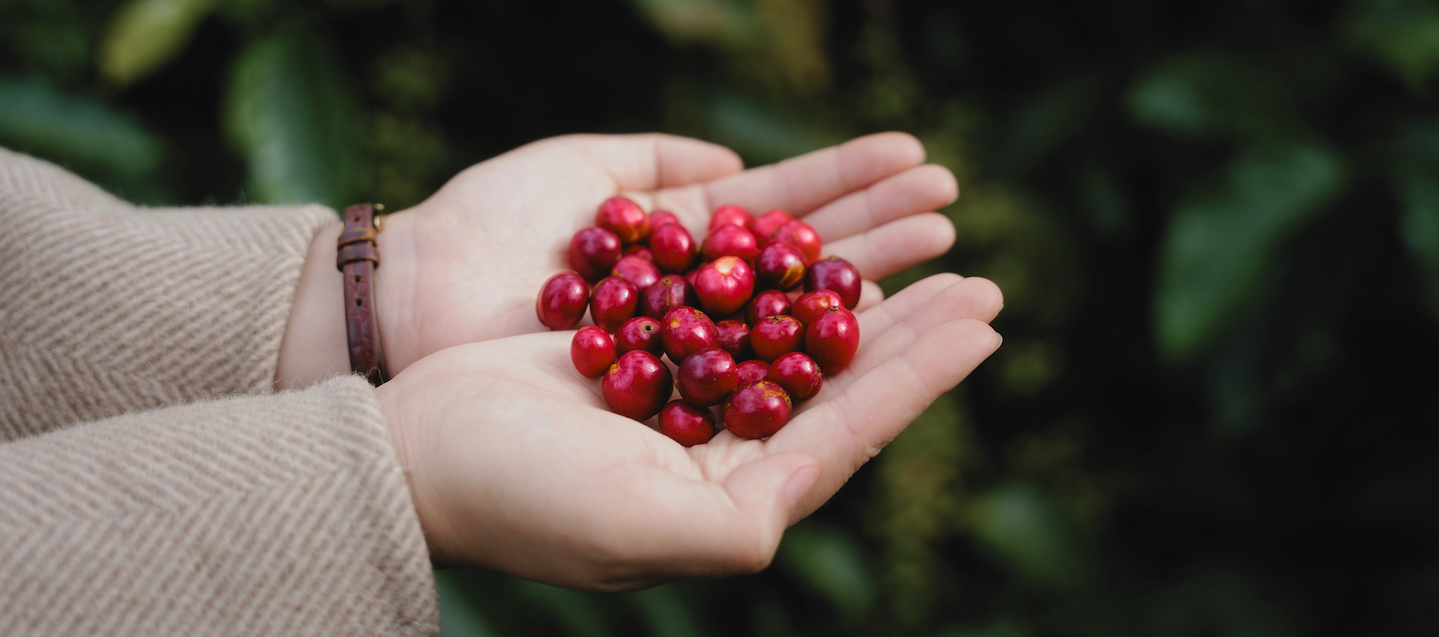
Sour cherry concentrate as a functional food for sleep, regeneration, and inner balance
Michaela Altenberger,
Sour cherry concentrate
is not a wellness trend, but a functional food with clear physiological effects. It is particularly relevant for sleep, regeneration, inflammation management, and athletic recovery. It also aids digestion, lowers blood pressure, and strengthens the immune system.
What's in it?
Sour cherries, especially the Montmorency variety, contain an unusually high density of bioactive substances. These include anthocyanins, polyphenols, natural melatonin precursors, and secondary plant substances with antioxidant effects. In concentrated form, these substances are available in effective doses. One glass of concentrate replaces several hundred grams of fresh fruit.
Effect on sleep
The best-known effect concerns sleep. Sour cherries contain natural melatonin and also support the body's own synthesis of this hormone. Studies show that regular consumption of sour cherry concentrate can shorten the time it takes to fall asleep and prolong the duration of sleep. In addition, sleep quality becomes more stable, especially during periods of stress or jet lag.
Anti-inflammatory and regenerative effects
Anthocyanins from sour cherries inhibit inflammatory signaling pathways, among other things by reducing COX enzymes. This effect is well documented and explains why sour cherry concentrate is used in sports. It reduces muscle soreness, accelerates recovery of strength, and lowers markers of oxidative stress. Interestingly, this effect is not only relevant for competitive athletes. Tart cherry concentrate can also have a regulating effect on chronic low-grade inflammation, such as that caused by stress, sleep deprivation, or metabolic stress.
Effect on the nervous system
Polyphenols from tart cherries have both peripheral and central effects. They modulate oxidative stress in the brain and support a more balanced autonomic nervous system.
Blood sugar and tolerance
Despite its natural sweetness, sour cherry concentrate is well tolerated in moderate amounts. The polyphenols it contains slow down glucose absorption, resulting in lower blood sugar spikes than with many other fruit juices. The dosage and time of intake are crucial.
Home remedy for gout
Anthocyanins, in particular, are anti-inflammatory and promote, among other things, the excretion of uric acid via the kidneys while inhibiting inflammatory processes triggered by uric acid crystals.
Practical application
A proven dosage is 20 to 30 milliliters of concentrate, ideally one to two hours before bedtime. It can be taken neat or diluted with water. For recovery after exercise, a second dose earlier in the day may be beneficial.
Quality is important. A good concentrate consists of 50:1 (50 kg of cherries to 1 liter of concentrate), with no added sugar or flavorings, and gently processed. The thicker and more intense the color, the higher the quality, as a rule.
Get in touch
Pick your communication channel of
choice - the Krallerhof team is
happy to help you!
 urlaub@krallerhof.com
 +43 6583 8246
 Inquiry
 Booking
 Fb Messenger
 Voucher