
GLP-1 Without Injections: Natural Ways to Regulate Appetite and Blood Sugar
Michaela Altenberger,
Glucagon-like peptide-1 (GLP-1) is a gut hormone that plays a central role in regulating blood sugar levels, appetite and gastric emptying. Medications that mimic or enhance the effects of GLP-1 – such as semaglutide (e.g. Ozempic, Wegovy) – have proven effective in treating type 2 diabetes and obesity. They work by increasing insulin secretion in a glucose-dependent manner, reducing glucagon release, slowing gastric emptying and promoting satiety [1].
Given the growing popularity of these medications, many people are looking for natural ways to stimulate the body's own GLP-1 production. This report explores natural alternatives from the fields of nutrition and dietary supplementation that have the potential to influence GLP-1 secretion and thereby achieve similar – though generally milder – effects on metabolism and satiety.
Dietary Supplements with GLP-1-Modulating Potential
Various natural substances are being investigated for their potential to influence GLP-1 production or activity. It is important to note that the efficacy and mechanism of action of these substances are often the subject of ongoing research, and their effects are generally not comparable to those of pharmaceutical GLP-1 agonists.
Berberine
Berberine is a bioactive compound derived from various plants. Studies have shown that it can lower blood sugar levels and improve insulin sensitivity. Berberine's mechanism of action differs from that of GLP-1 agonists; it primarily activates AMP-activated protein kinase (AMPK), an enzyme that regulates energy metabolism [2]. However, some studies suggest that berberine can also increase GLP-1 concentrations and enhance its effects, contributing to improved blood sugar regulation [3].
Akkermansia muciniphila
Akkermansia muciniphila is a bacterium naturally found in the human gut and associated with improved metabolic health. Studies show that A. muciniphila can support GLP-1 production through several mechanisms.
Its growth can be specifically promoted through diet. Fiber-rich foods such as psyllium husk, white beans, chickpeas, broccoli, lentils and artichokes serve as important nutritional sources. Additionally, polyphenol-rich foods – including blueberries, aronia berries, cranberries and nuts – have a supportive effect on its proliferation.
Omega-3 fatty acids also appear to have a positive influence. They can be obtained through fatty fish such as salmon, mackerel, herring or halibut, as well as high-quality fish oils, and contribute to a gut-friendly environment that promotes the growth of A. muciniphila.
Flavonoids and Polyphenols: The Power of Plant Compounds
Plant polyphenols and flavonoids are a broad class of bioactive compounds found in fruits, vegetables, tea and other plants. Many of these substances show promising effects on metabolism, including modulation of the GLP-1 axis (green tea, mate, various berries).
Eriomin (Eriocitrin from Citrus Fruits)
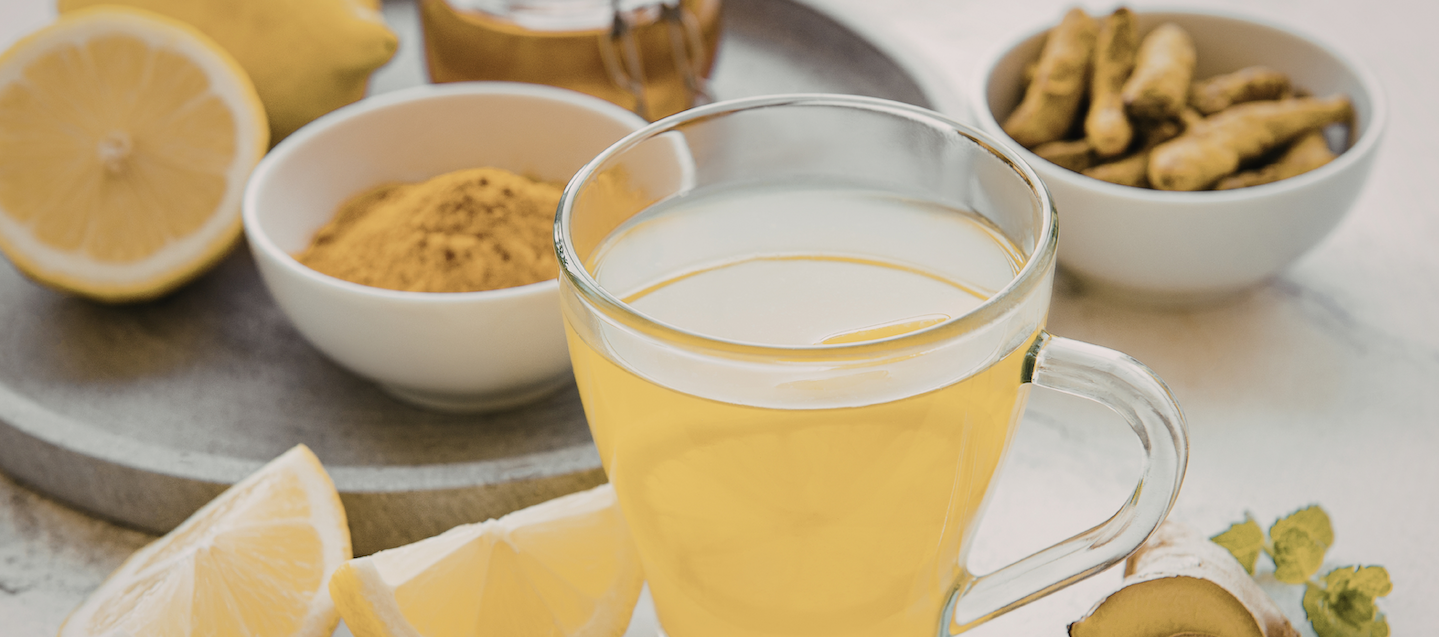
Eriomin is a patented lemon extract rich in the flavonoid eriocitrin. A notable clinical study published in Frontiers in Nutrition examined the effect of Eriomin as a supplement to metformin in prediabetic individuals. The results showed that the group receiving Eriomin was able to maintain active GLP-1 levels, unlike the placebo group. Additionally, a 12% reduction in the inflammatory marker TNF-α and an improvement in postprandial glucose metabolism were observed [6]. This suggests that citrus flavonoids may play a supportive role in maintaining GLP-1 function.
Curcumin (from Turmeric)
Curcumin, the main active compound in turmeric, is well known for its anti-inflammatory properties. Cell culture studies have shown that curcumin can significantly increase GLP-1 secretion in the L-cells of the gut. This effect appears to be mediated through various signaling pathways, including the activation of protein kinase C (PKC) and other kinases [7][8].
Quercetin
Quercetin is a widely occurring flavonoid found in many fruits and vegetables such as apples, onions and berries. Recent research suggests that quercetin can stimulate GLP-1 secretion via the activation of bitter receptors (particularly TAS2R38) in the gut's L-cells [9]. This highlights the connection between bitter taste pathways and the hormonal regulation of metabolism.
Green Tea (EGCG) & Yerba Mate
Green tea is rich in catechins such as epigallocatechin gallate (EGCG), while yerba mate contains a wide range of polyphenols. Both can stimulate metabolism. There is evidence that EGCG can increase GLP-1 levels [10]. For yerba mate, human studies on direct GLP-1 effects are less conclusive, but it is thought to support satiety through mechanisms such as slowed gastric emptying [11].
L-Arginine & L-Glutamine
L-arginine is a semi-essential amino acid that can stimulate GLP-1 secretion and improve glucose tolerance, as demonstrated in studies [12]. L-glutamine, an important amino acid for gut health, can also increase GLP-1 release after meals [13].
Foods as GLP-1 Boosters
Diet plays a crucial role in naturally stimulating GLP-1 production.
Fiber & Resistant Starch: Fermentation in the large intestine produces short-chain fatty acids (SCFAs) that stimulate GLP-1 release [14]. Sources include whole grain products, legumes, and cooked and overnight-cooled potatoes or rice.
Bitter Compounds: Foods such as chicory, rocket and artichokes activate bitter receptors in the gut, leading to the release of GLP-1 [15].
Healthy Fats: Oleic acid from olive oil and avocados can stimulate GLP-1 secretion [16].
Proteins: Protein-rich meals promote satiety and stimulate GLP-1 production through the release of amino acids [17].
Strategic Nutrition & Lifestyle
Food Order: Consuming fiber and protein before carbohydrates can optimize GLP-1 release [18].
Eating Slowly: This gives the body time to send satiety signals, including GLP-1 [19].
Sleep & Stress Management: Adequate sleep and stress reduction are essential for a balanced hormonal environment and an optimal GLP-1 response [20].
Conclusion
Natural approaches to increasing GLP-1 production offer promising possibilities for supporting metabolic health. However, it is crucial to understand that the effects of natural alternatives are generally milder and slower to take effect than those of pharmaceutical GLP-1 agonists.
Research into plant polyphenols and flavonoids such as eriocitrin (Eriomin), curcumin and quercetin is opening new perspectives. These substances modulate the GLP-1 axis through complex, multifactorial mechanisms – whether through direct receptor activation, antioxidant effects or the influence on cellular signaling pathways. A combination of a fiber-rich, protein-rich and polyphenol-rich diet, supplemented by targeted nutritional supplements and a healthy lifestyle, can achieve synergistic effects.
Medical Disclaimer
The information provided in this report is for informational purposes only and does not constitute medical advice. Before making significant changes to your diet, lifestyle or supplement intake, you should consult a qualified physician or nutritionist.
References
[1] Nauck, M. A., & Meier, J. J. (2018). Glucagon-like peptide 1 receptor agonists in the treatment of type 2 diabetes—state of the art. Molecular Metabolism, 11, 1-14.
[2] Berberine vs. Ozempic: What's better for weight loss and diabetes? Fay Nutrition.
[3] Berberin: Das pflanzliche Ozempic? (2026, January 13). DocCheck.
[4] A newly identified protein from Akkermansia muciniphila stimulates GLP-1 secretion and improves glucose homeostasis. (2021, June 1). ScienceDirect.
[5] How Akkermansia Boosts GLP-1 for Gut and Metabolic Health. (2025, November 21). Layer Origin.
[6] Ingredients by Nature's Eriomin gains positive result in hyperglycaemia study. (2025, September 11). Nutraceutical Business Review.
[7] Curcumin induces secretion of glucagon-like peptide-1 through an oxidation-dependent mechanism. (2019, August 27). PMC.
[8] Curcumin improves glucose tolerance via stimulation of glucagon-like peptide-1 secretion. (2016, November 7). Wiley Online Library.
[9] Quercetin enhances GLP-1 secretion via TAS2R38-mediated PLC signaling in enteroendocrine L-Cells. (2025, May 13). Wiley Online Library.
[10] Top 5 Natural GLP-1 Supplements for Weight Loss & Metabolism. (2024, October 16). MyVillageGreen.
[11] Appetite Suppression Effects of an Herbal Combination. ClinicalTrials.gov.
[12] Oral l-Arginine Stimulates GLP-1 Secretion to Improve... (2013). PMC.
[13] How to activate GLP-1 naturally - For weight loss and blood sugar. (2025, July 1). Ohio State Health & Discovery.
[14] Dietary resistant starch upregulates total GLP-1 and PYY in a... (2008). PMC.
[15] Sind Bitterstoffe das natürliche Ozempic? wechselweise.net.
[16] 6 Foods that Increase GLP-1 Levels. Healthline.
[17] Eating food naturally triggers GLP-1 release, especially foods rich in fiber and protein. JoinMidi.
[18] 9 Foods and Supplements That Increase GLP-1 Naturally. GoodRx.
[19] How to activate GLP-1 naturally. (2025, July 1). Ohio State Health & Discovery.
[20] Weight loss: Are there any natural alternatives to Ozempic? (2025, November 20). Medical News Today.
Get in touch
Pick your communication channel of
choice - the Krallerhof team is
happy to help you!
 urlaub@krallerhof.com
 +43 6583 8246
 Inquiry
 Booking
 Fb Messenger
 Voucher